 |
|
Article
Dec 17, 2025
Building Your Energy Strategy: Own vs. Outsource?
Utility rates are climbing at a record pace—with some markets seeing electricity costs
rise by more than 30% in just the past few years. At the same time, grid reliability is
eroding. According to Department of Energy (DOE) and North American Electric
Reliability Corporation (NERC) data, blackouts in North America are projected to
increase 100-X by 2030.
For commercial and industrial (C&I) companies, this is no longer just a facilities
issue. Energy has become a C-suite priority—directly tied to revenue protection,
profitability, and growth.
Clean Secure Reliable Power
Building Your Energy Strategy:
Own vs. Outsource?
Utility rates are climbing at a record pace—with some markets seeing electricity costs
rise by more than 30% in just the past few years. At the same time, grid reliability is
eroding. According to Department of Energy (DOE) and North American Electric
Reliability Corporation (NERC) data, blackouts in North America are projected to
increase 100-X by 2030.
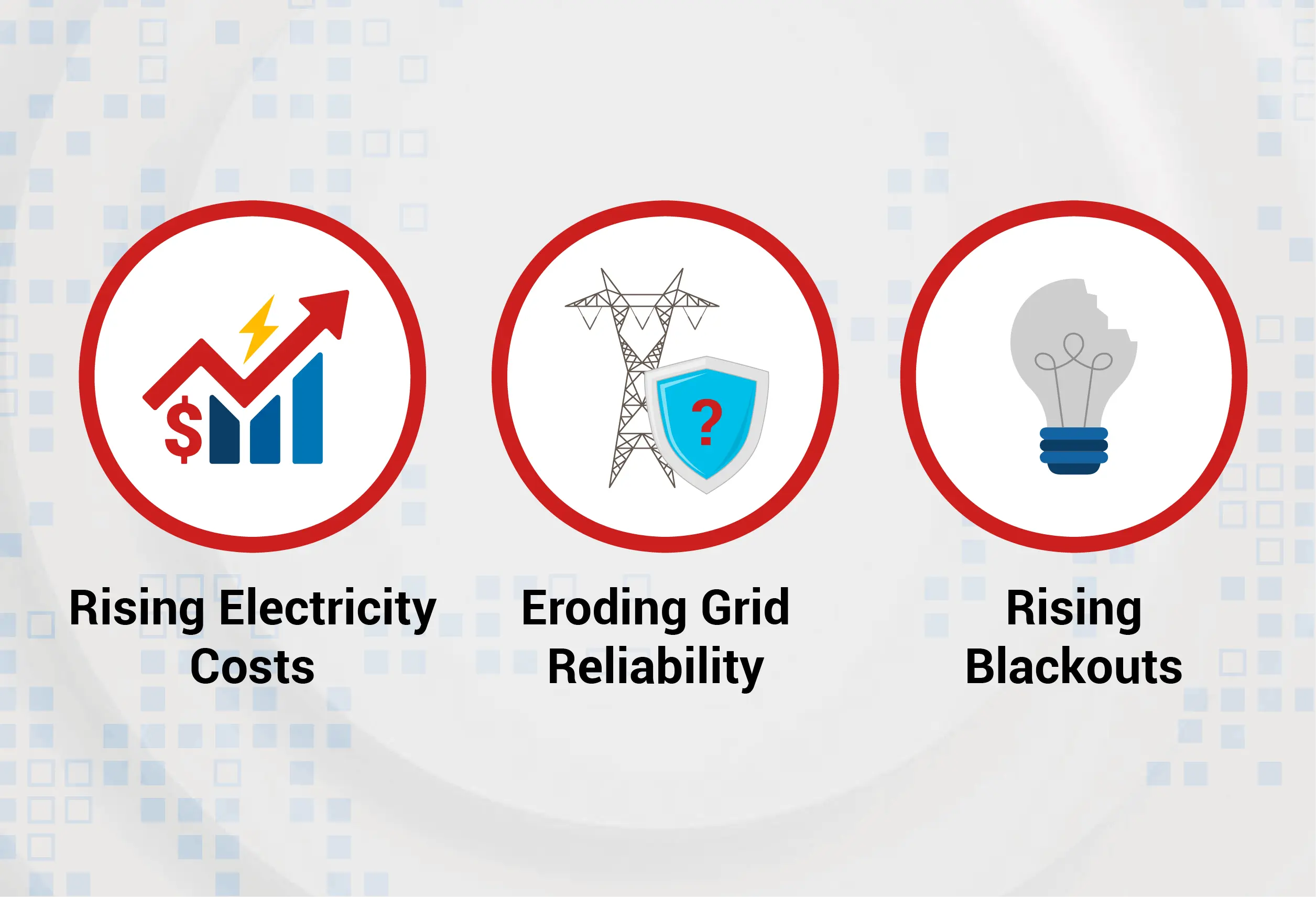
Rising Electricity
Costs
Eroding Grid
Reliability
The central question is: Should your company own and operate its energy
infrastructure, or outsource it through a power purchase agreement (PPA)? Both
models can reduce costs, improve resiliency, and advance sustainability goals—but
the right choice depends on your objectives, capital strategy, and internal resources.
Understanding Your Objectives
Every energy strategy begins with clarity on why it matters for your business.
® 2025 DG Matrix, Inc. All rights reserved.
Rising
Blackouts
For some, energy is primarily a cost line item — something to be reduced wherever
possible. In this case, a flexible outsourcing model may suffice. For others, however,
energy is a critical competitive advantage:
ESG
Revenue Protection: Outages that halt retail sales, idle
production lines, or spoil inventory aren’t just inconvenient —
they can cost millions.For these businesses, resiliency is
non-negotiable
